

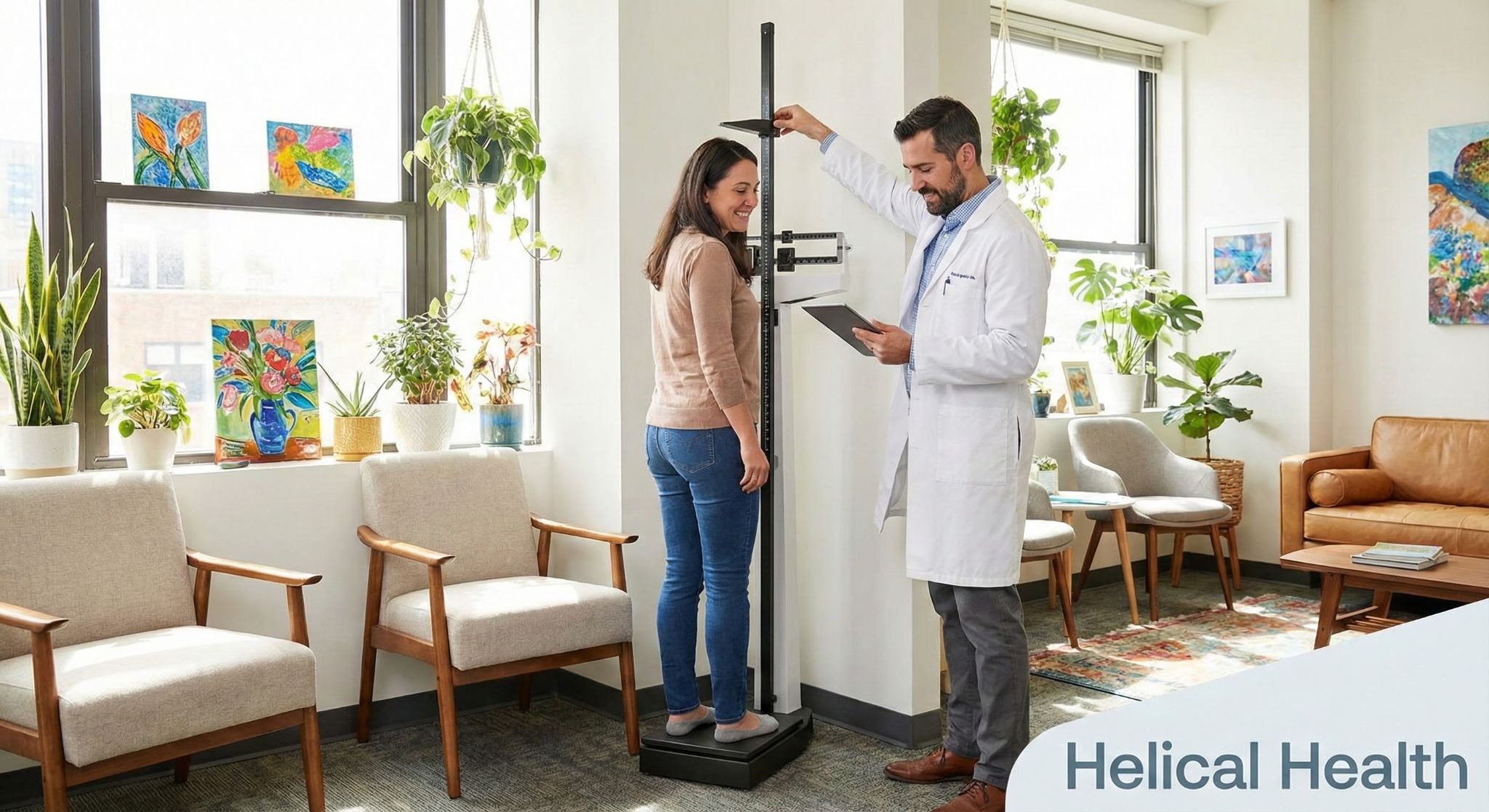
Key Takeaways
- Primary care doctors use a range of diagnostic tests, including blood work, urinalysis, and health screenings, to get a complete picture of your health.
- These tests are vital for early detection of potential issues, managing chronic conditions, and creating a personalized preventive care plan.
- Helical Health provides convenient in-office diagnostic testing in Keller, TX, for a seamless and unhurried patient experience.
Why Your Doctor Recommends Diagnostic Tests
When you visit your primary care physician, the conversation is just the beginning. To truly understand what’s happening inside your body, doctors rely on diagnostic tests. Think of these tests not as something to be feared, but as essential tools that provide a detailed roadmap of your current health. They help establish a baseline, allowing your doctor to track changes over time and catch potential issues long before they become serious problems.
At Helical Health, our philosophy is rooted in proactive, preventive medicine. We believe in shifting the focus from simply reacting to illness to actively preserving and enhancing your wellness. Diagnostic tests are a cornerstone of this holistic approach. By using lab tests and health screenings, we can identify risk factors, screen for common conditions, and monitor the effectiveness of treatments for ongoing health concerns. This data-driven approach empowers you and your doctor to make informed decisions together, creating a personalized health plan that’s built for your unique body and lifestyle.
Common Diagnostic Tests We Provide In-Office
One of the most common questions we hear is, “What kind of tests do you actually do here?” The answer is that we provide a wide range of essential in-office diagnostics to make your healthcare journey as seamless as possible. Dr. Mehta will always take the time to explain why a particular test is being recommended, what the results mean, and how they fit into your overall health picture. Here are some of the most common lab tests in primary care that we handle right here in our Keller clinic.
Routine Blood Work & Lab Panels
Blood tests are incredibly informative, offering a wealth of information from a single sample. They can reveal details about your organ function, nutrient levels, infection status, and risk for chronic diseases.
- Complete Blood Count (CBC): This fundamental test measures different components of your blood, including red and white blood cells and platelets. It’s often used to screen for conditions like anemia, infection, and other disorders.
- Comprehensive Metabolic Panel (CMP): The CMP provides a broad overview of your body’s chemical balance and metabolism. It checks kidney and liver function, blood sugar, and electrolyte levels, making it a crucial part of an annual physical.
- Lipid (Cholesterol) Panel: This test measures fats in your blood, including total cholesterol, LDL (“bad”) cholesterol, HDL (“good”) cholesterol, and triglycerides. It’s a key tool for assessing your risk for heart disease.
- Thyroid Panel: Your thyroid gland regulates your metabolism. This test checks how well it’s working by measuring levels of thyroid-stimulating hormone (TSH) and other hormones, helping to diagnose conditions like hypothyroidism or hyperthyroidism.
- Hemoglobin A1c: This simple blood test is a primary screening tool for diabetes and pre-diabetes, showing your average blood sugar level over the past three months.
Screenings & Acute Illness Testing
Beyond routine blood work, we offer several other in-office tests to address both preventive health screenings and immediate health concerns.
- Urinalysis: A urine sample can reveal signs of kidney disease, urinary tract infections (UTIs), and diabetes.
- ECG/EKG (Electrocardiogram): An in-office EKG in Keller, TX, is a quick and painless test that records the electrical activity of your heart. It helps detect heart rhythm problems and other cardiac issues.
- Rapid Tests: When you’re feeling sick, you want answers fast. We provide rapid diagnostic tests for common illnesses like influenza (flu), COVID-19, and strep throat.
- Other Tests: We also offer other essential screenings like pregnancy tests and allergy panels to address your specific health needs promptly.
Coordinated Care for Further Imaging
While we perform many tests in our office, some conditions require advanced imaging. If you need an X-ray, ultrasound, CT scan, or MRI, we don’t just hand you a referral slip. We actively coordinate your care with trusted local imaging centers to ensure you get the follow-up you need without unnecessary delays or confusion. This is a core part of our comprehensive primary care services.

The Role of Testing in Preventive & Chronic Care
Diagnostic testing is not just for when you’re sick; it’s one of the most powerful tools we have for preventive care. Regular health screenings can detect the earliest signs of conditions like high cholesterol, pre-diabetes, or kidney issues, often when they are most treatable. This early detection allows us to intervene with lifestyle changes or treatments to prevent a small issue from becoming a major health crisis. You can learn more about these strategies in our other preventive care options.
For patients managing chronic conditions such as hypertension, diabetes, or heart disease, ongoing primary care testing is vital. Regular lab work helps us monitor how well your treatment plan is working, allowing for precise adjustments to medication or lifestyle recommendations. This creates a collaborative partnership where you and Dr. Mehta work together toward your long-term health goals. It’s a key benefit of our concierge care model, which provides the time and attention needed for meticulous chronic disease management.
Convenient, Doctor-Led Testing in Keller, TX
At Helical Health, we believe that excellent healthcare should also be convenient. That’s why we offer a wide array of in-office diagnostics. By handling these tests on-site, we save you the time and hassle of driving to a separate lab, waiting in another line, and coordinating results between different facilities. Everything is managed seamlessly under one roof, guided by a doctor who knows you and your health history.
When you choose Helical Health, you are choosing a partner in your wellness journey. Patients from Keller, Southlake, Colleyville, and throughout the North Fort Worth area appreciate our unhurried, personalized approach. You will always see Dr. Mehta, a physician dedicated to listening and providing the highest level of care. Whether you’re in Roanoke, Grapevine, or Trophy Club, you have access to a primary care experience that puts you first. Connect with Dr. Mehta to see how our patient-focused model can make a difference in your life.

Take a Proactive Step in Your Health Journey
Ready to partner with a doctor who truly listens? Contact our Keller, TX office to schedule your visit and discuss your health goals today.
FAQs
How often should I get routine lab work done?
For most healthy adults, routine lab work is recommended annually as part of your physical. However, Dr. Mehta will create a personalized schedule based on your age, risk factors, and health history.
Do I need to fast before my blood test?
Some blood tests, like a lipid panel or fasting glucose test, require you to fast for 8-12 hours. We will always provide clear instructions beforehand so you know exactly how to prepare for your visit.
What’s the difference between preventive screening and diagnostic testing?
Preventive screening is done to detect potential health problems before you have any symptoms. Diagnostic testing is used to figure out the cause of symptoms you are already experiencing or to monitor a known condition.